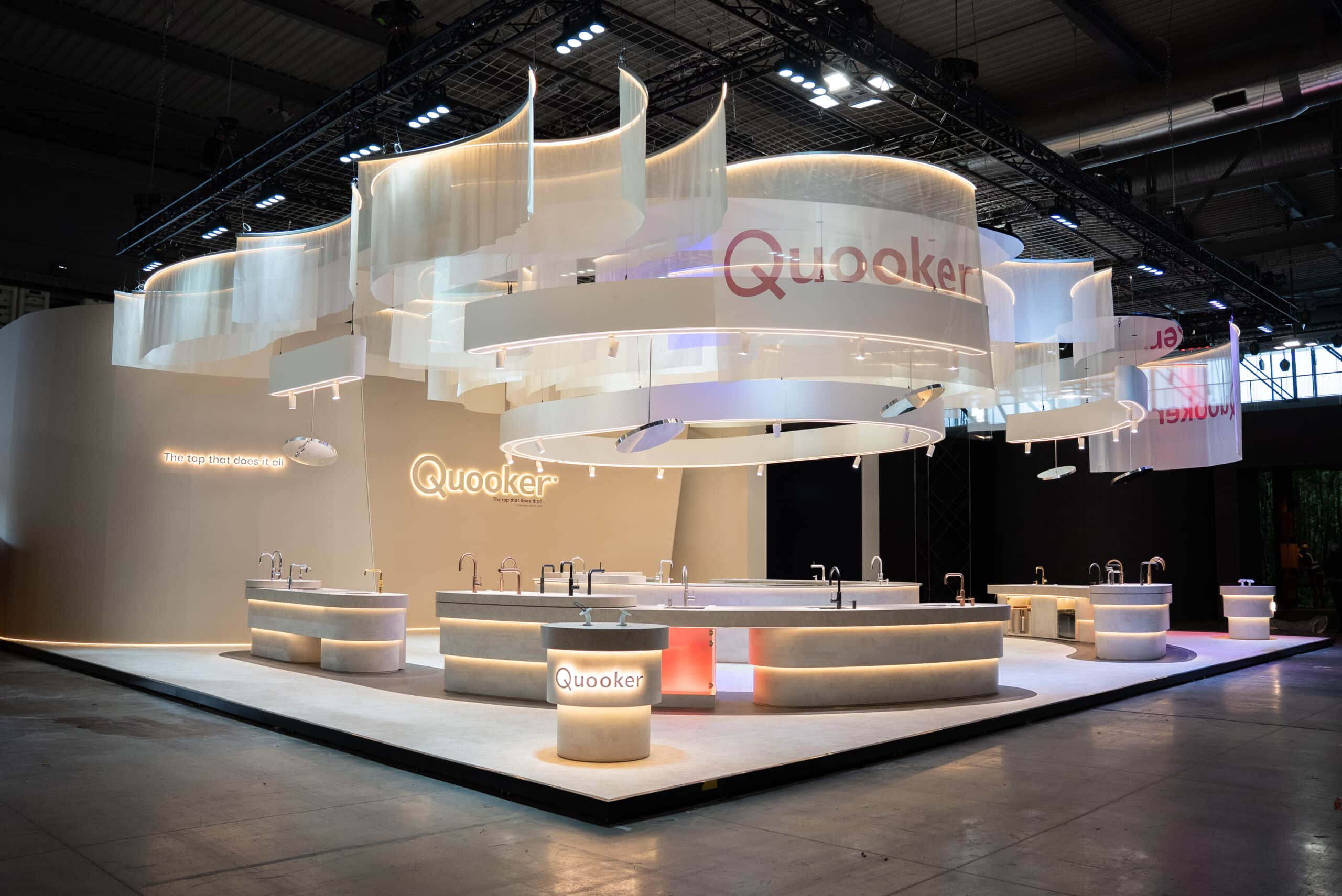
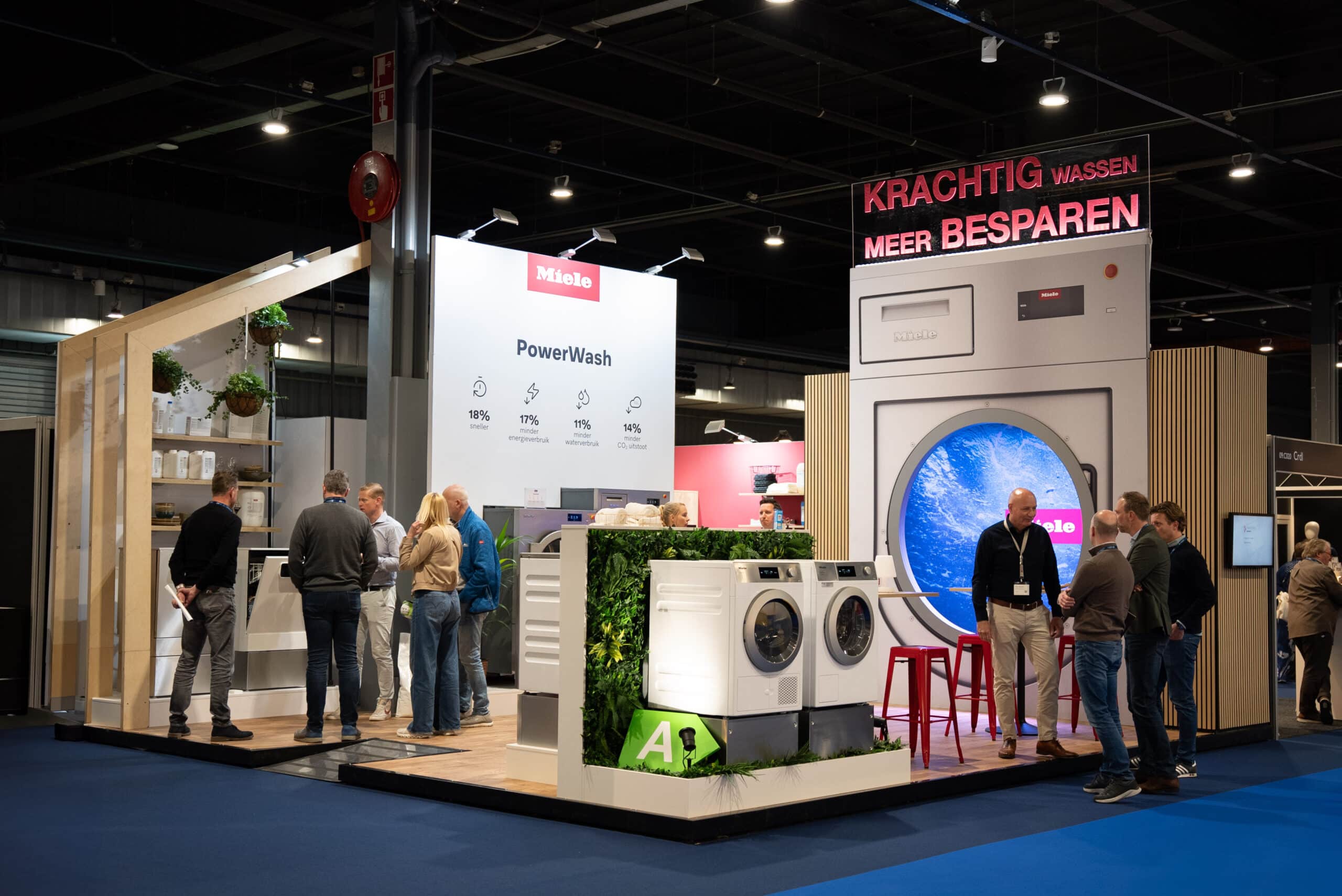
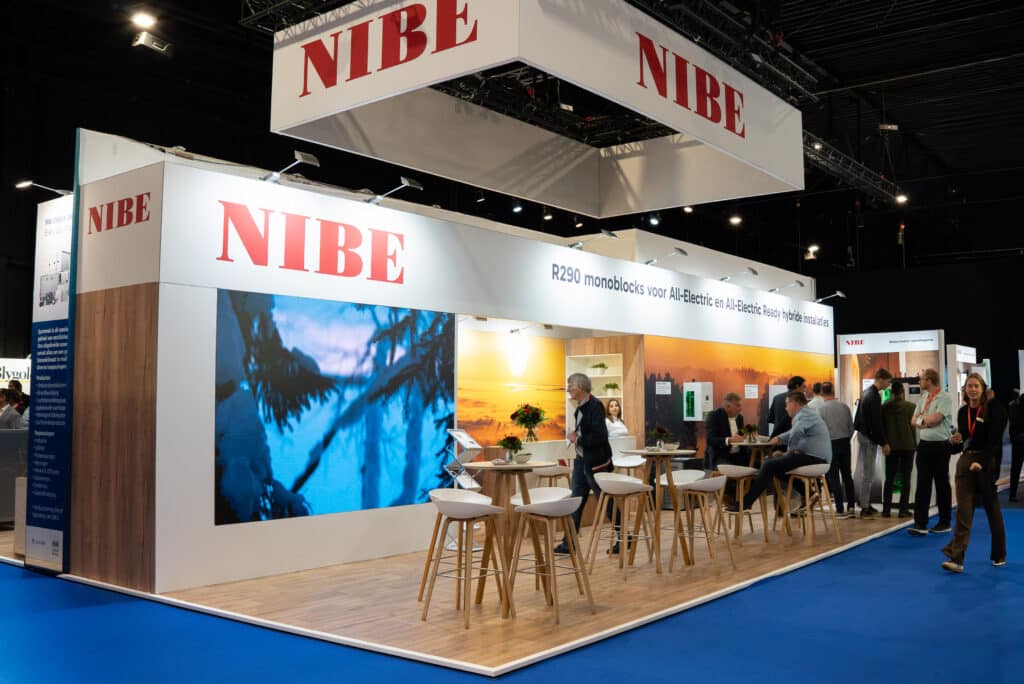
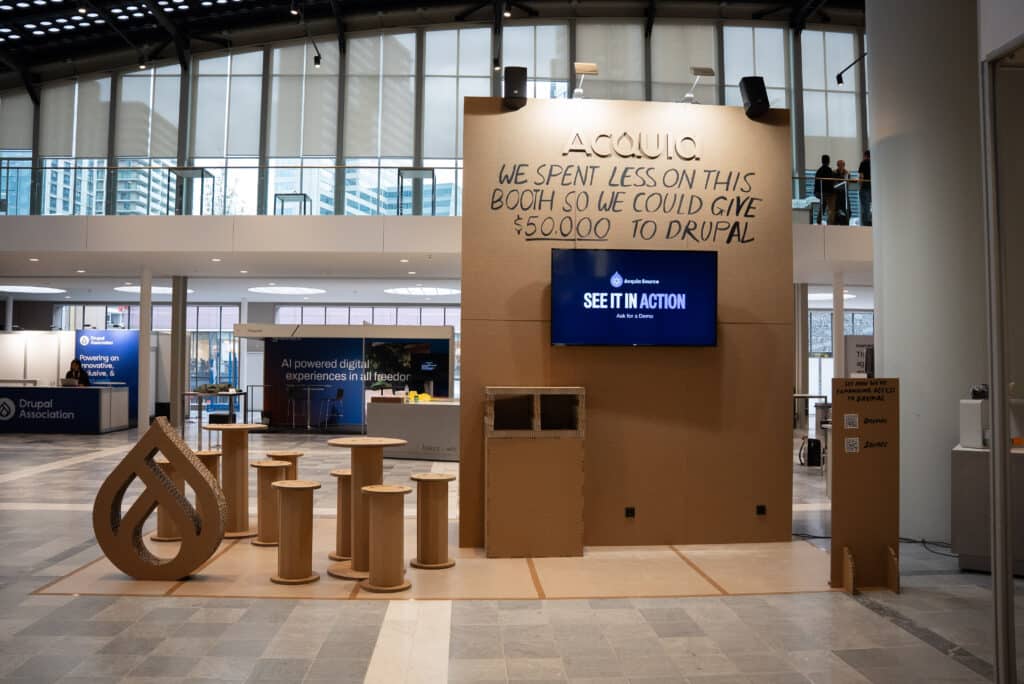
Every trade show and trade show participation is different, but generally speaking, good planning looks like this:
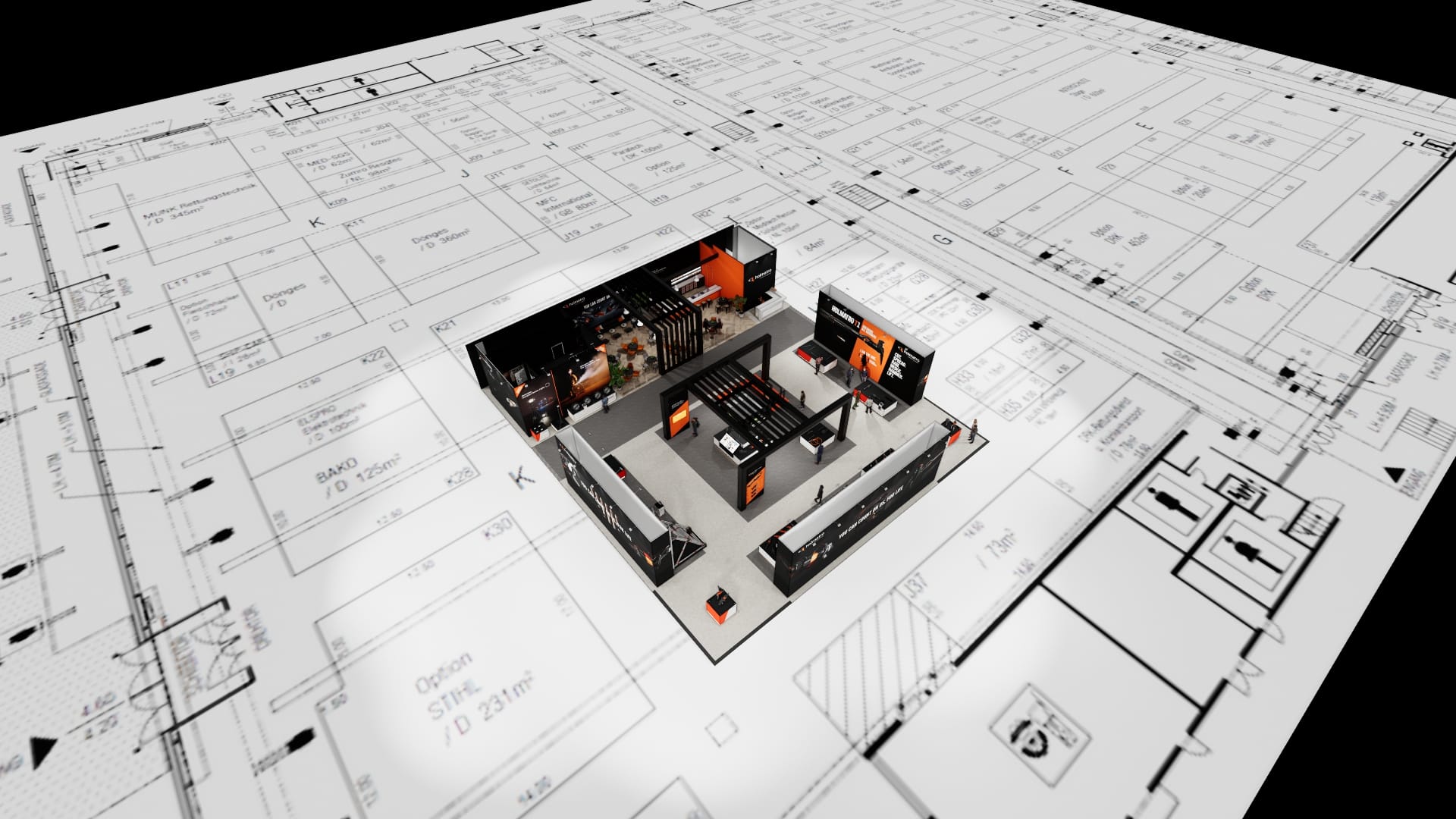
12+ months in advance: Reserve the campsite. This is the moment when you decide where in the hall your booth will be located, and thus what will be possible in terms of design (corner or row placement, height, sight lines, walkways). Learn more about this in “Reserving a Booth Location for a Trade Show.”
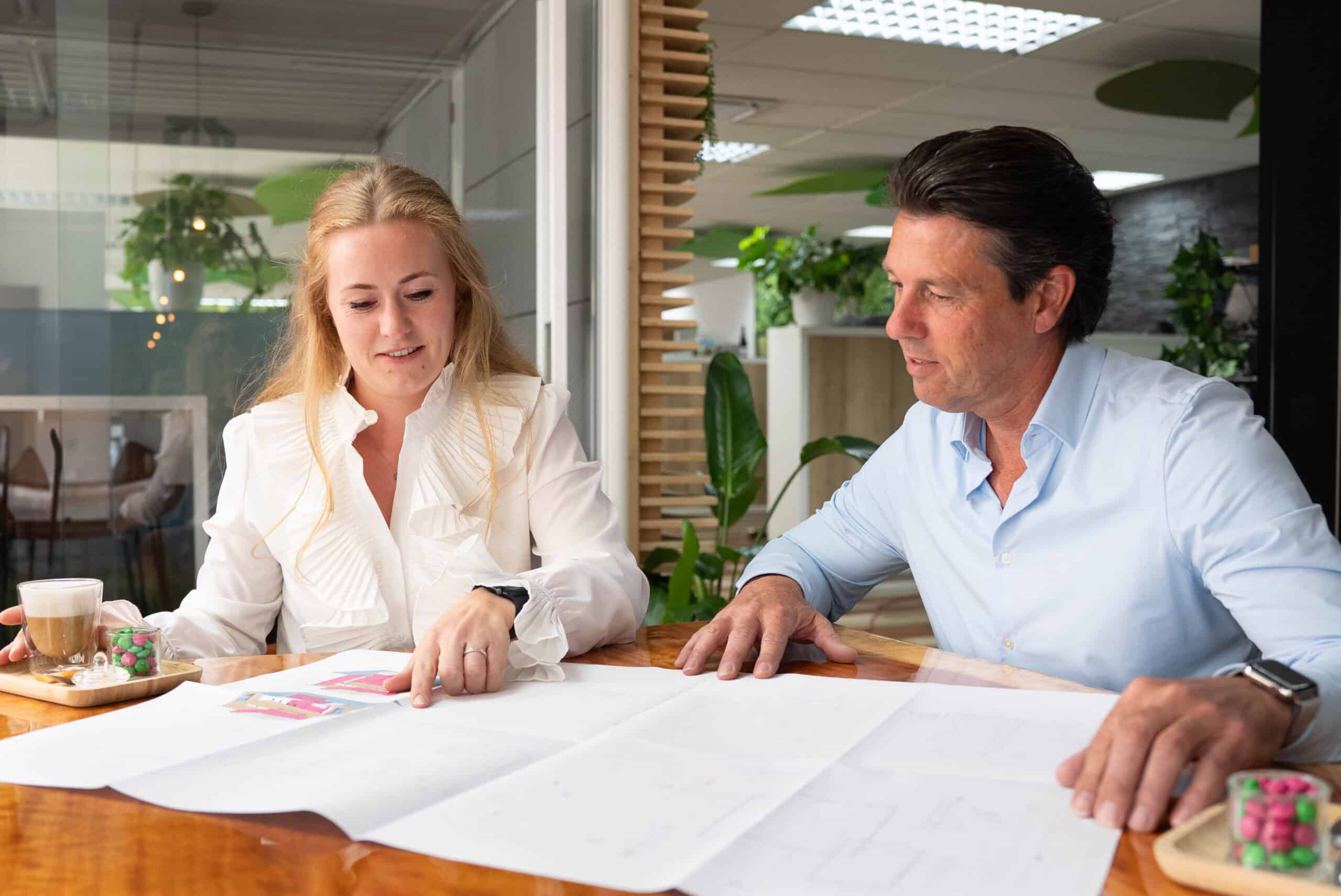
6 to 9 months in advance: briefing and concept design. This is where the broad outlines are established: what image do you want to project, who is your target audience, what story should the booth tell, and what is feasible within the budget. A thorough briefing at this stage prevents the need to revisit fundamental decisions later on, when time is tight.
3 to 6 months in advance: production, engineering, and material selection. The design concept is developed technically: construction drawings, material orders, and any interactive or technical elements. This is also the point at which long lead times—for example, for custom-made materials or specific technology—are most likely to cause delays or incur additional costs if the schedule is already under pressure.
4 to 6 weeks in advance: logistics, transportation, and setup planning. Transportation, the setup schedule, and booth builders are scheduled. For international trade shows, customs and import planning are also part of this process, which requires additional buffer time.
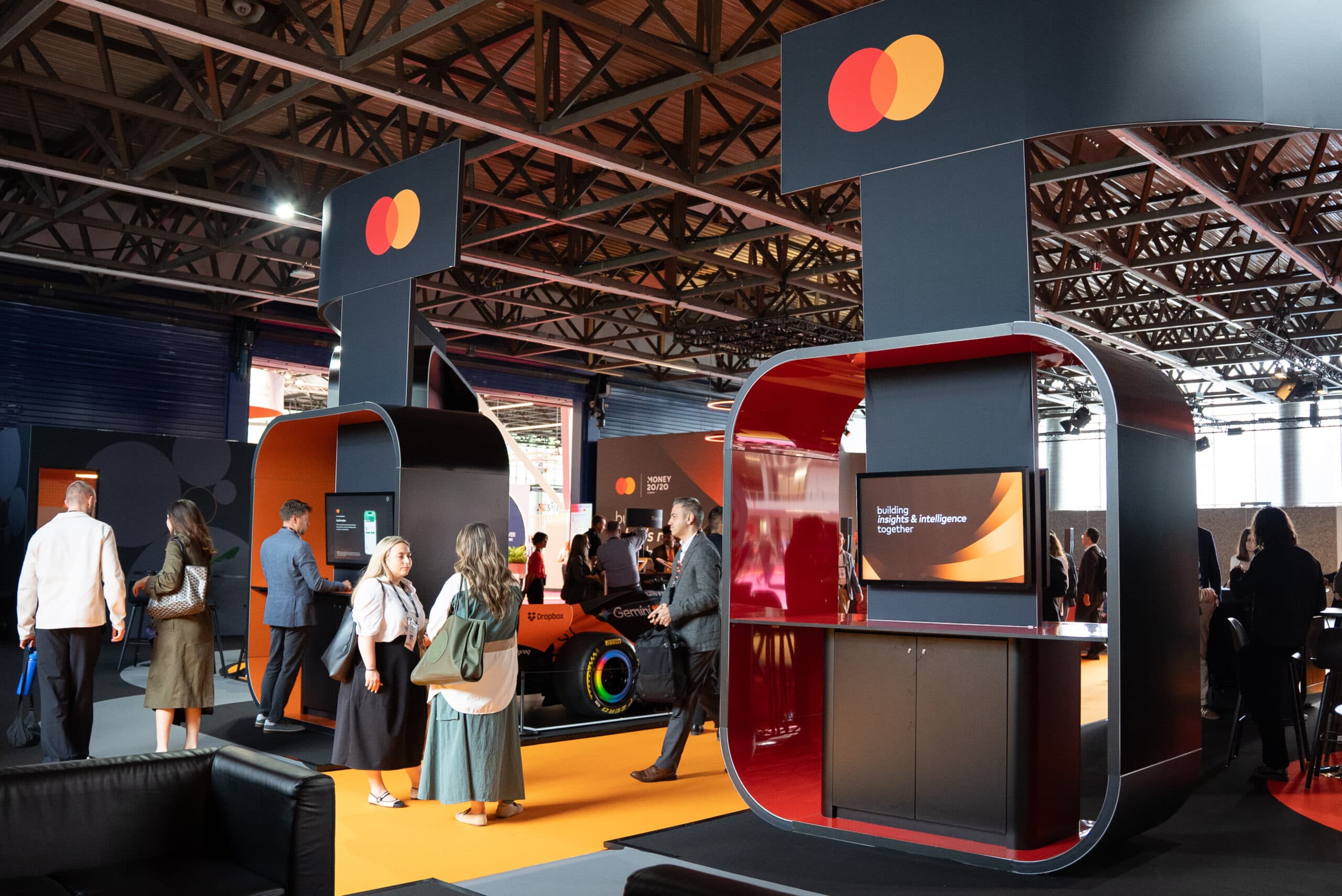
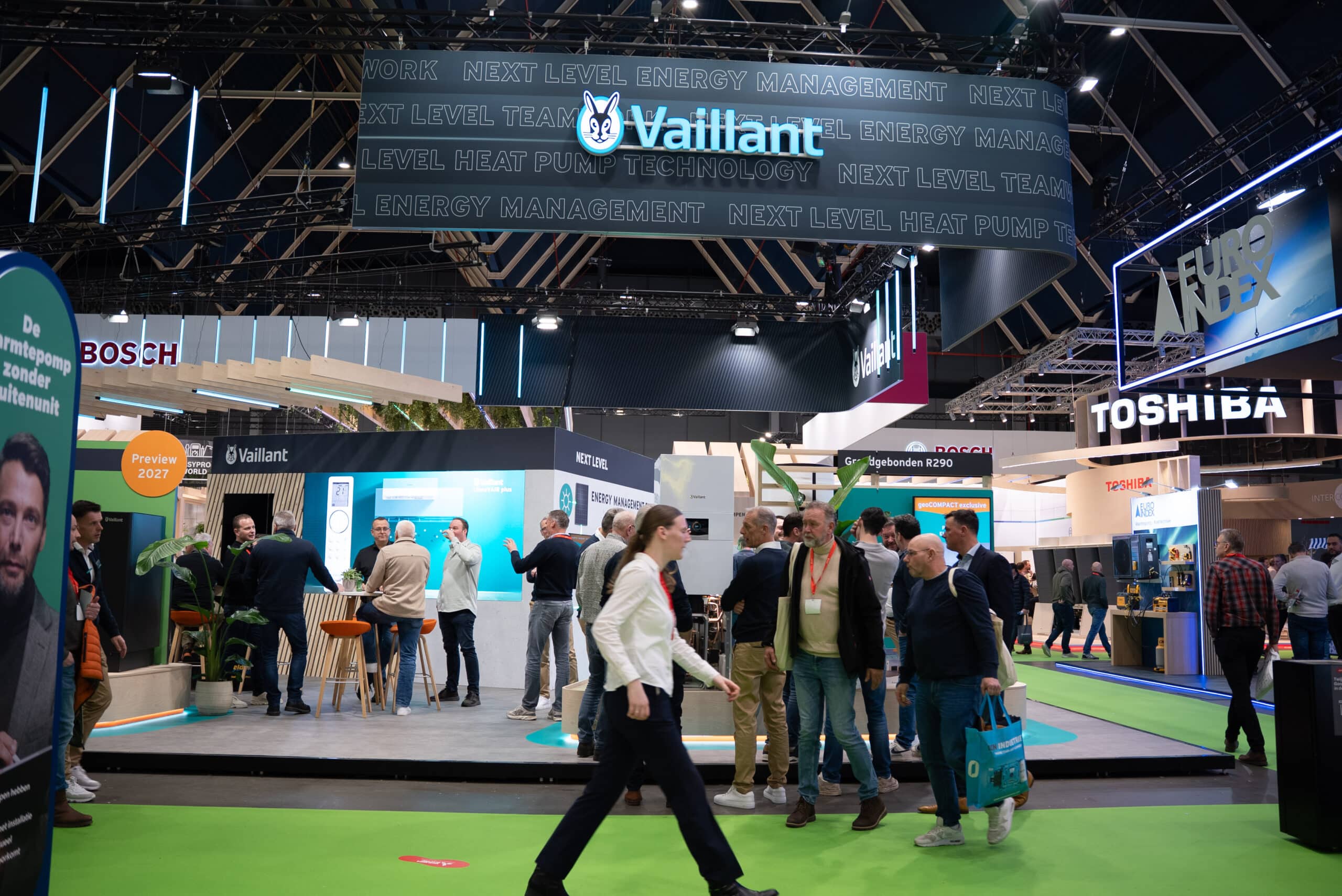
The trade show: setup, staffing, and teardown. Everything that has been prepared over the past few months will come together on the trade show floor in just a few days.
After the trade show: storage, evaluation, and lead follow-up. Reusable items are returned to storage for the next trade show, results are evaluated, and the leads gathered during the trade show deserve a prompt follow-up.